


The Hidden Cost Killer for Restaurants: 3 Insulated Bag Mistakes That Destroy Your Bottom Line (And How to Fix Them)
Discover how non-compliant insulated delivery bags cause refunds, fines & lost customers. Learn FDA-compliant solutions to protect your restaurant's bottom line. Free audit checklist.
ENGLISH POSTS
J & T Corp.
6/7/20265 min read

The Hidden Cost Killer for Restaurants: 3 Insulated Bag Mistakes That Destroy Your Bottom Line (And How to Fix Them)
Category: Restaurant Operations, Food Delivery, Packaging Solutions
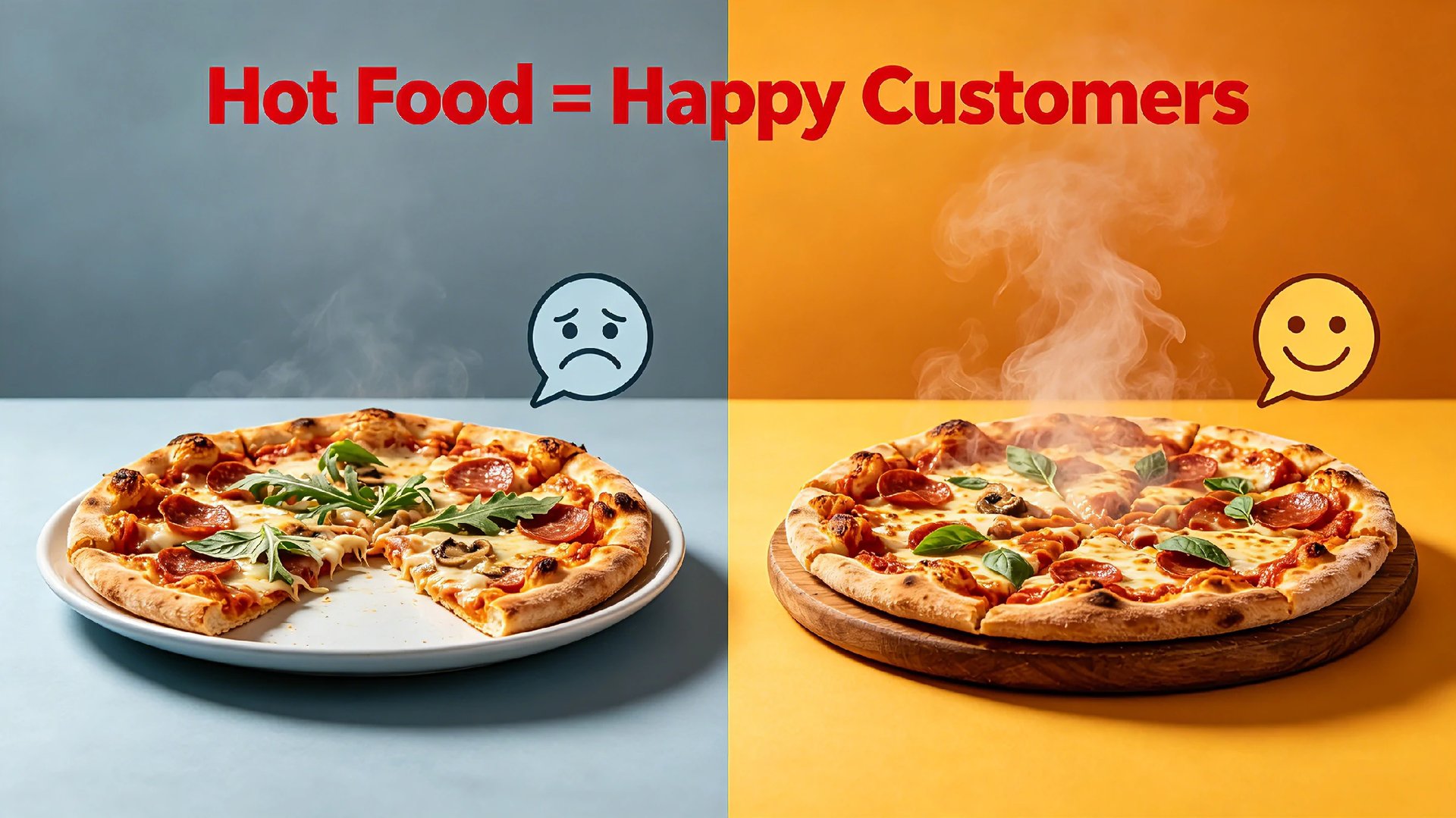
The delivery experience is the final touchpoint with your customer. Which side does your current packaging represent?
The post-pandemic era has cemented food delivery as a critical revenue stream for restaurants. However, this lifeline comes with a hidden threat: the silent drain on your profits caused by inadequate delivery packaging. While you meticulously manage food costs and labor, a weak link in your delivery chain—your insulated bag—could be eroding your margins, damaging your reputation, and driving customers away for good.
Data reveals a harsh reality: over half of all delivery-related customer reviews are negative or mixed . A staggering 50% of consumers report receiving food that arrived late and/or cold . In a landscape where 41% of customers cite "food arriving cold" as a reason to skip delivery, the stakes have never been higher .
This isn't just about customer satisfaction; it's a direct financial liability. New regulations, like California's AB 578, now mandate full cash refunds for incorrect or undelivered orders, transferring more financial risk directly to restaurants . The cost of a single refund isn't just the meal—it's the lost ingredient cost, labor, and the potential lifetime value of a customer who may never order again.
Let's dissect the three most costly mistakes restaurants make with their insulated delivery bags and provide a clear roadmap to turn this cost center into a competitive advantage.
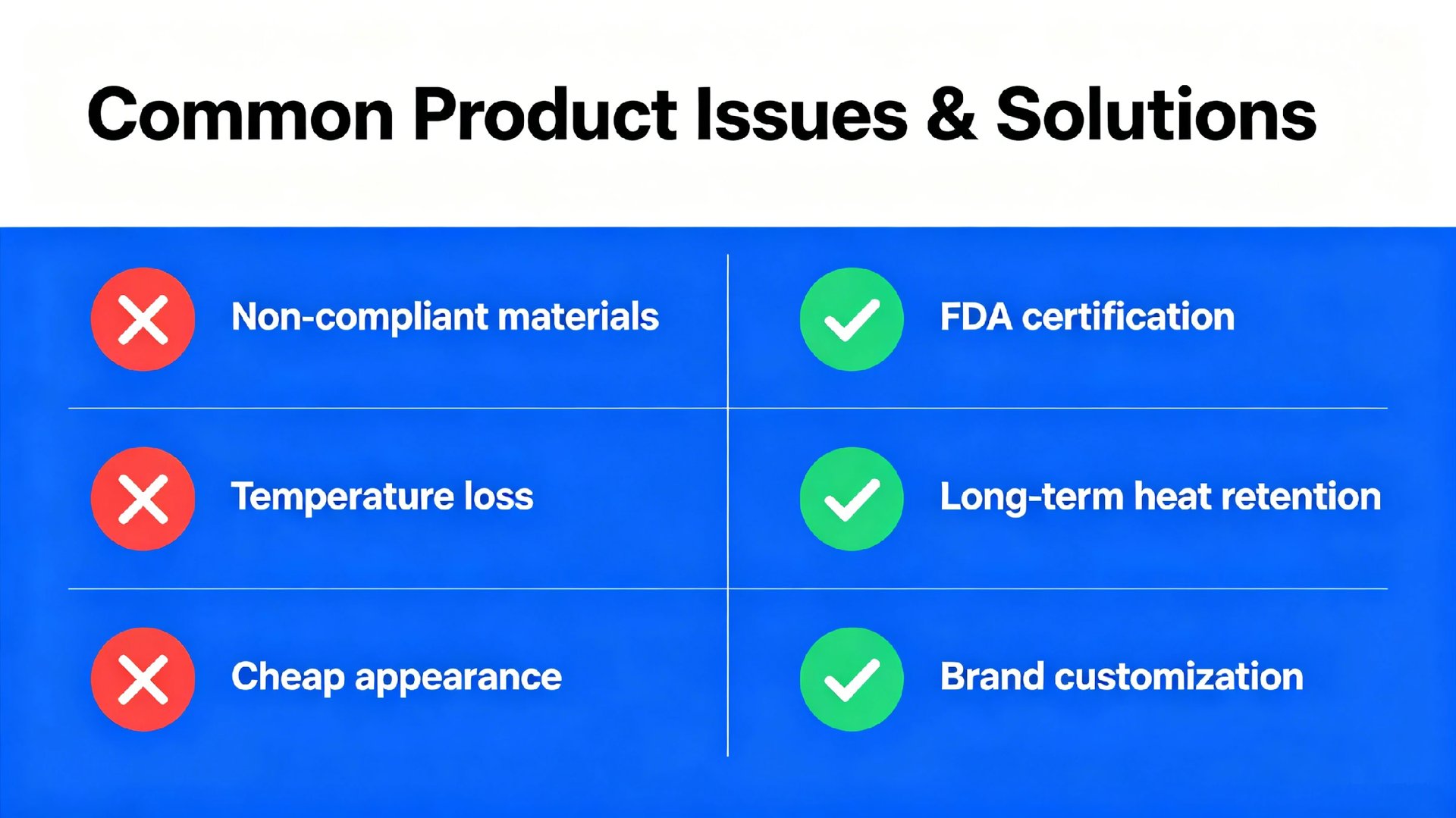
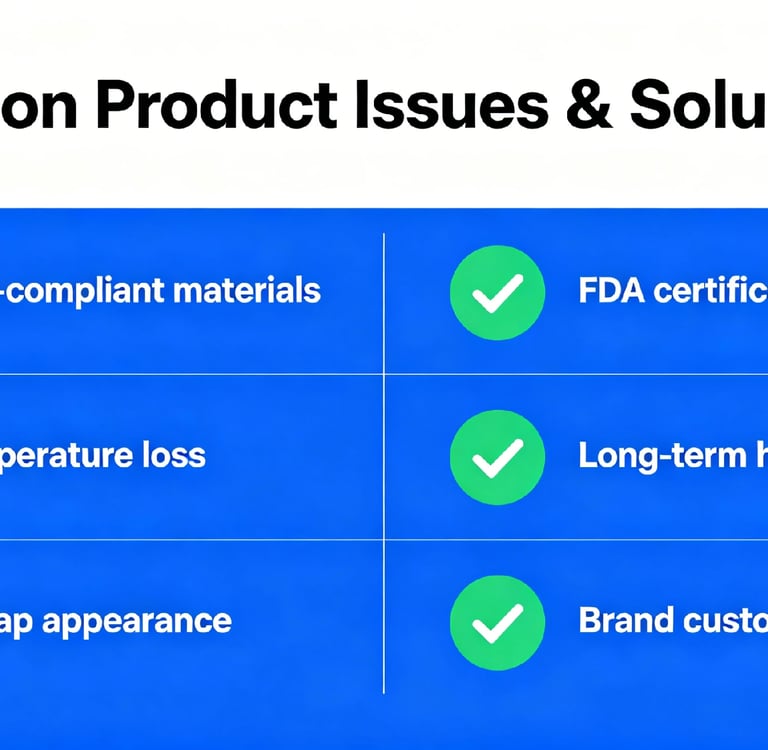
Mistake #1: Ignoring Regulatory Compliance (The Hidden Fine & Recall Risk)
Many operators source the cheapest bags available, unaware that any material contacting food must comply with strict safety regulations like the U.S. FDA's 21 CFR or the EU's Food Contact Materials Regulation .
The Problem: Non-compliant materials can leach harmful chemicals (plasticizers, heavy metals) into food. The FDA does not "approve" finished bags but regulates the materials used . If customs or consumer protection agencies test your bags and find violations, the consequences are severe: product recalls, hefty government fines, and irreversible brand damage .
The Real Cost: Beyond legal peril, using non-food-grade materials is a fundamental breach of trust with your customer. It signals a disregard for their safety, which is catastrophic in the age of social media and instant reviews.
Mistake #2: Underestimating the True Cost of "Temperature Leakage" (It's More Than a Cold Pizza)
Viewing a bag as merely a container ignores its primary function: preserving food safety and quality. Poor insulation leads to lukewarm meals, which directly triggers complaints, refunds, and customer churn.
The Data-Driven Reality:
Complaint Catalyst: Cold food is a top complaint driver. One analysis found that 19% of DoorDash users reported issues with lukewarm or cold food .
The Refund Spiral: When food arrives cold, customers demand refunds. Platforms often side with the customer, and the cost frequently falls on the restaurant . A single incident in China saw a restaurant forced to refund a full 191 RMB order for missing just two portions of rice—essentially giving away the meal for free .
Customer Lifetime Value Loss: Following a bad delivery experience, 50% of customers would avoid ordering from that restaurant again, and 25% would avoid visiting in person . You're not just losing an order; you're losing a customer.
The domino effect of a single cold delivery can be devastating to your profitability.
Mistake #3: Treating the Bag as a Cost Center, Not a Brand Asset (The Missed Marketing Opportunity)
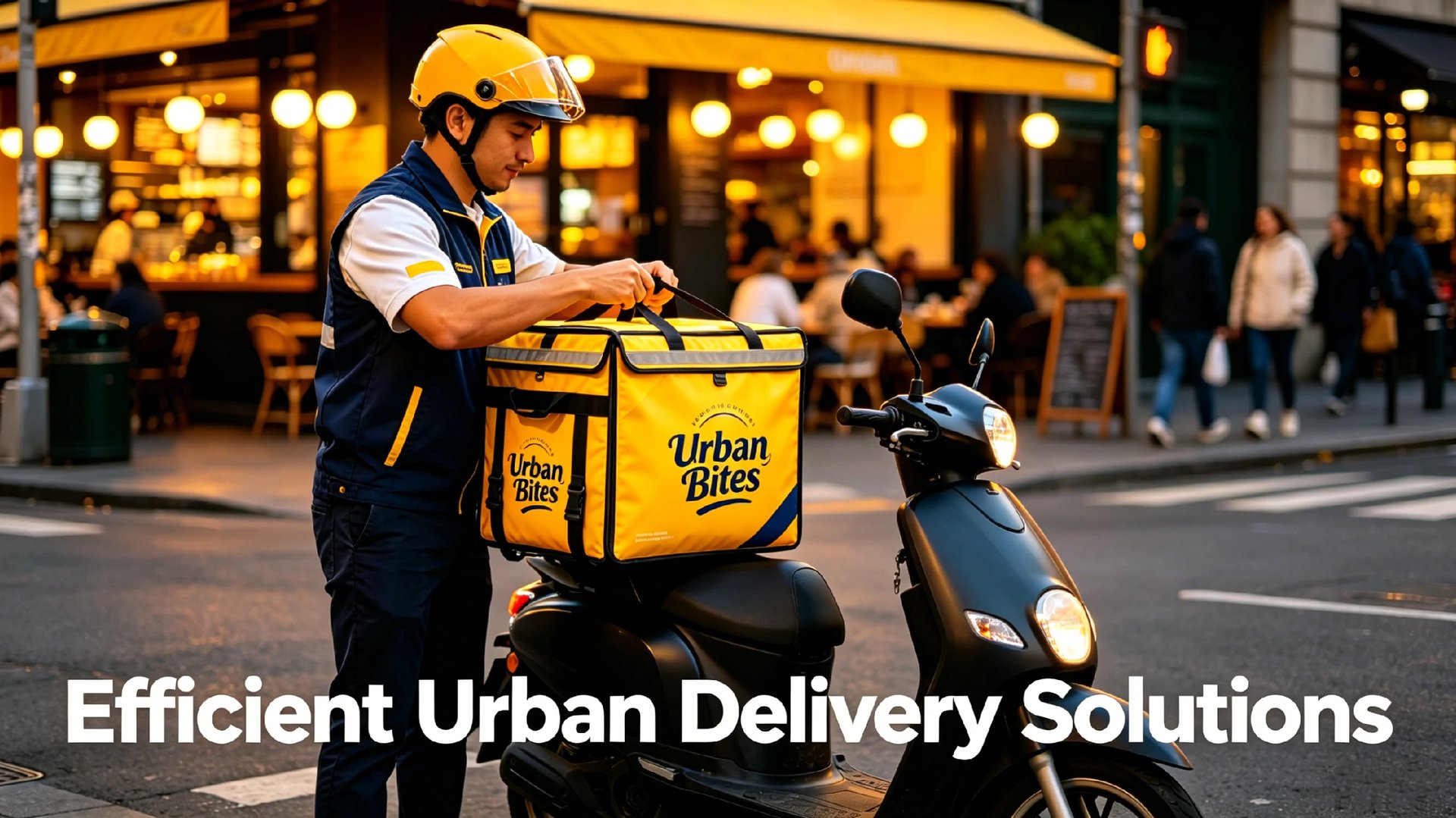
A generic, plain bag is a missed touchpoint. Every delivery is a mobile billboard seen by your customer, their household, and potentially neighbors.
The Power of Branded Packaging:
Brand Recall & Loyalty: Studies show customized packaging can increase brand recall by 35% and improve customer retention rates by 15% . A branded bag transforms a transaction into a memorable brand experience.
Free Advertising & Perceived Value: A professionally branded bag elevates the perceived value of your food and acts as free advertising as it's carried through streets and into homes. It communicates care, quality, and professionalism.
Turning Cost into ROI: Investing in durable, reusable branded bags isn't an expense; it's a marketing investment with measurable returns. It reduces single-use waste (appealing to eco-conscious consumers) and repeatedly reinforces your brand identity.
The Solution: Invest in Professional-Grade, Custom Insulated Bags
The fix is not to spend more, but to spend smarter. A purpose-built, custom insulated bag addresses all three fatal mistakes simultaneously.
Compliance-First Design: Partner with a manufacturer that provides full documentation, including FDA 21 CFR or EU food-contact compliance reports from recognized labs . Ensure every material, from lining to adhesive, is certified food-safe.
Engineered Thermal Performance: Move beyond "foam-lined." Look for bags with specified insulation (e.g., PE foam, thermal reflective liners) designed to maintain safe temperatures (above 140°F for hot food) for 60-90 minutes or more, accounting for multi-stop deliveries and traffic . This directly tackles the #1 cause of delivery complaints.
Durable & Branded for ROI: Choose commercial-grade materials like 600D polyester with waterproof linings. Customize with your logo, colors, and contact information. A high-quality bag lasts 12-18 months in daily use, compared to 2-3 months for cheap alternatives, offering a lower total cost of ownership . The branding turns every delivery into a marketing touchpoint, driving recognition and loyalty.
A professional custom bag is your frontline defense for food quality, safety, and brand impression.
The Bottom Line: The insulated food delivery bag market is projected to grow to $31.8 billion by 2035, because operators are recognizing its strategic value . By switching to compliant, high-performance, branded bags, restaurants report reducing temperature-related complaints by 20-40% and lowering refund costs by 10-25% . The investment often pays for itself within weeks by protecting your margins and your reputation.
Stop Letting Your Packaging Eat Your Profits
Your delivery bag is the final ambassador of your kitchen's quality. Don't let it be the weakest link.
Download our free "Delivery Bag Audit Checklist" to assess your current packaging's compliance, performance, and branding impact. Discover how a strategic upgrade can protect your food, your brand, and your bottom line.
Ready to discuss a custom solution tailored to your menu and volume? Our experts can help you navigate material choices, compliance, and design to build a bag that works as hard as you do.
Contact
Reach out for inquiries and customer support.
GET OUR HELP
EMAIL FOR NEWSLETTER
+86-133-662-9400
© 2026. All Rights Reserved.
Quick links
615, 6/F, 1377 Jianlan Rd., High-tech Zone, Ningbo, P. R. China.
Leagal
Business Hours
Monday - Friday
9:00 AM - 5:00 PM (CST UTC+8)